Why Professional Mold Removal Fort Worth Homeowners Trust Is Essential
Understanding the Mold Problem in North Texas
Living in Fort Worth means dealing with humidity. It is part of the deal when you have hot summers and mild winters. But that humidity also creates a perfect environment for mold growth inside homes and businesses. I have seen it happen in properties that look perfectly fine on the surface, only to find black mold hiding behind drywall or under flooring. The key is understanding that mold is not just a cosmetic issue. It affects your health, your property value, and your peace of mind.
When people search for mold removal Fort Worth, they are often facing a situation that has gotten out of hand. Maybe they spotted a patch of discoloration on a ceiling or noticed a musty smell in a bedroom. By the time most homeowners call a professional, the mold has already spread into areas they cannot see. That is why quick action matters. The Environmental Protection Agency has clear guidelines on mold remediation, and following them is critical for safety.
Why Mold Grows in Fort Worth Homes
Mold needs three things to thrive: moisture, a food source, and the right temperature. Fort Worth provides all three. The relative humidity in the region often sits above 60 percent, which is the threshold where mold spore germination becomes likely. Add in common building materials like drywall and wood, and you have a recipe for trouble. I have inspected homes where a small leak under a sink went unnoticed for weeks, and by the time the homeowner found it, the cabinet interior was covered in Stachybotrys chartarum, also known as black mold.
One of the most overlooked sources of moisture is the crawl space. In older Fort Worth homes, crawl spaces often lack a proper moisture barrier. Ground moisture rises through the soil and evaporates into the air under the house. That humid air then gets drawn up into the living space through the stack effect. A dehumidifier in the crawl space can help, but it is not a permanent fix. Installing a heavy-duty vapor barrier is usually the right solution.
Health Risks You Should Not Ignore
Mold exposure is not something to shrug off. The Texas Department of State Health Services warns that mold can trigger respiratory issues, especially in people with a mold allergy. Symptoms include sneezing, coughing, eye irritation, and even asthma attacks. I have worked with families where one member could not enter a certain room without getting a headache. That is a clear sign of a mold problem that needs professional attention.
Children and the elderly are particularly vulnerable. Their immune systems are either still developing or already compromised. If you notice persistent allergy symptoms in your household, it is worth having a property inspection done. An air quality monitor can give you a sense of the spore count in your home, but it cannot tell you where the mold is hiding. That requires a trained eye.
The Right Way to Remove Mold
There is a lot of bad advice online about mold removal. Some sources tell you to just spray bleach on the affected area and call it done. That is a mistake. Bleach can kill some types of mold on non-porous surfaces, but it does not penetrate porous materials like drywall or wood. The mold roots, called hyphae, remain alive and will regrow. Worse, bleach can actually release toxic fumes when mixed with other cleaning agents. For porous surfaces, white vinegar is a better option because it can penetrate deeper, but even that is not a substitute for professional remediation.
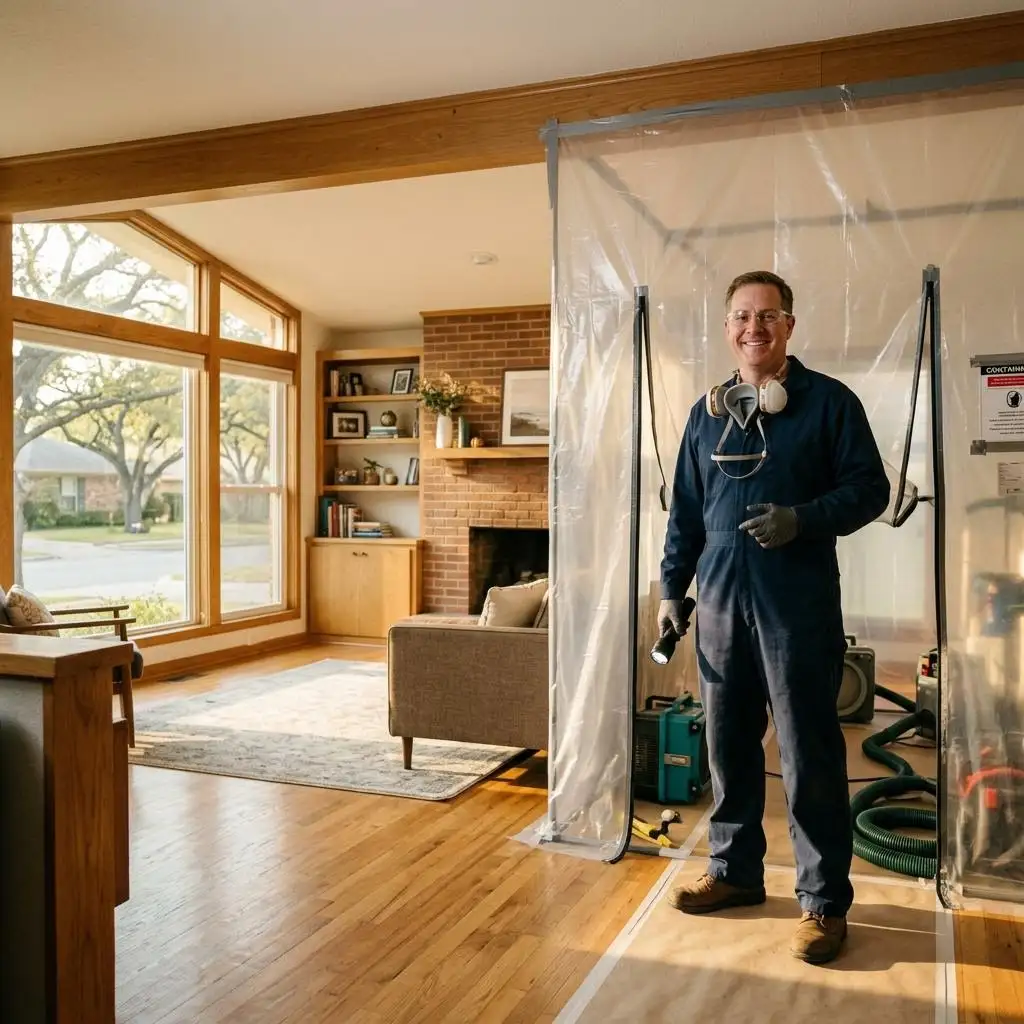
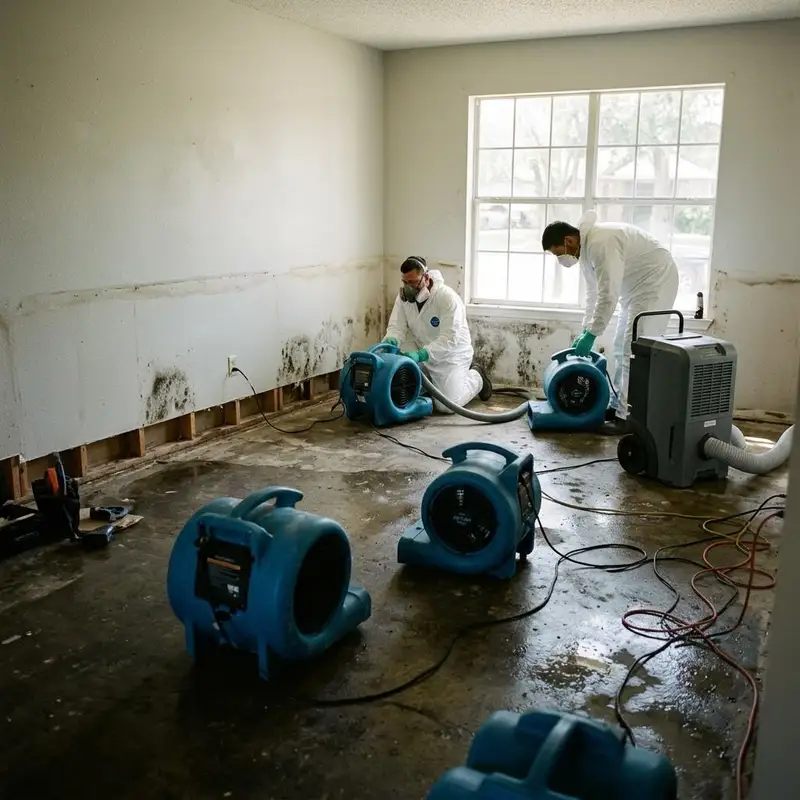
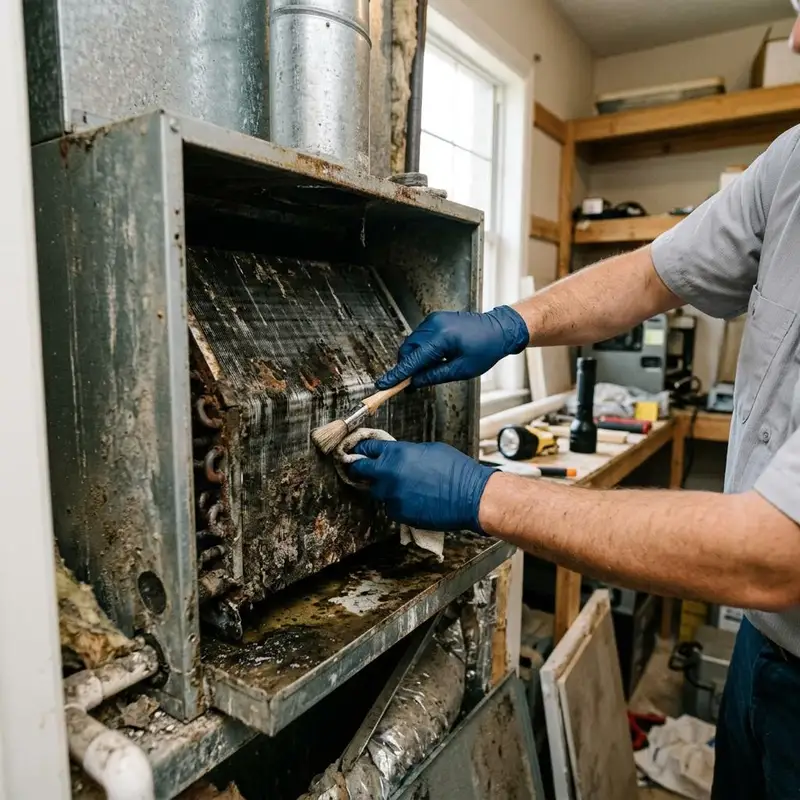
Professional mold removal Fort Worth companies follow standards set by organizations like the Indoor Air Quality Association and the IICRC. They use HEPA vacuums to capture airborne spores, containment barriers to prevent cross-contamination, and antimicrobial treatments that address the root cause. They also check the HVAC system, because mold spores can travel through ductwork and spread to every room. I have seen cases where a small bathroom mold issue turned into a whole-house problem because the HVAC system was circulating spores.
When to Call a Professional
If the affected area is larger than about ten square feet, the Environmental Protection Agency recommends hiring a certified mold remediation company. That is roughly the size of a small rug. Anything larger than that, and the risk of spreading spores during cleanup becomes too high. A certified professional will have the proper equipment and training to handle the job safely.
Mold remediation certification is not just a piece of paper. It means the technician understands containment protocols, personal protective equipment, and proper disposal methods. They know how to identify the specific type of mold and choose the right treatment. In Fort Worth, where humidity is a constant challenge, that expertise is especially valuable.
Prevention Is Better Than Cure
Once you have dealt with an active mold problem, the next step is preventing it from coming back. That starts with leak detection. A slow drip from a pipe or a roof leak can create the perfect conditions for mold growth without you ever noticing the water. I recommend checking under sinks, around toilets, and near the water heater at least once a month. If you have a basement or crawl space, inspect it regularly for signs of moisture.
A dehumidifier can help keep indoor humidity below 50 percent, which is the level that discourages mold growth. But it is not a magic bullet. You also need good ventilation, especially in bathrooms and kitchens. Exhaust fans should vent to the outside, not into the attic. And if you are building or renovating, consider installing a moisture barrier under the foundation. That simple step can save you thousands of dollars in remediation costs down the road.
Common Mistakes Homeowners Make
One of the most common mistakes I see is using bleach on porous surfaces. People think it is a strong disinfectant, and it is, but it is not effective for mold on wood or drywall. The bleach sits on the surface and does not reach the roots. Another mistake is ignoring small leaks. A tiny drip can feed a mold colony for months before you see any visible signs. By then, the mold has spread into the wall cavity.
Another error is using a HEPA vacuum without proper containment. If you vacuum mold spores without sealing off the room, you just blow them into the air, where they settle on other surfaces. That can make the problem worse. Professional remediation always includes plastic sheeting and negative air pressure to keep spores contained.
The Role of Air Quality Monitoring
An air quality monitor can give you a baseline reading of the spore count in your home. But it is important to understand its limits. It cannot tell you where the mold is located or what type it is. For that, you need a professional inspection. The Indoor Air Quality Association offers guidance on when and how to test for mold. In my experience, testing is most useful after remediation to confirm that the problem has been resolved.
Why Local Knowledge Matters
Mold removal Fort Worth is not the same as mold removal in a dry climate like Arizona. The specific challenges of North Texas require a local approach. The soil type, the building codes, and the typical construction methods all affect how moisture behaves. A company that understands the local climate will know where to look for trouble spots and what materials work best for prevention.
The Texas Department of State Health Services provides resources for homeowners, but nothing replaces the experience of a local professional who has seen the same problems over and over. When you choose a company with a solid reputation and proper certifications, you are investing in the long-term health of your home and your family.
Final Thoughts
Mold is a persistent problem in Fort Worth, but it is one you can manage. The key is acting quickly, using the right methods, and getting professional help when the job is too big for DIY. Whether you are dealing with a small patch of black mold or a full-scale infestation, understanding the science behind mold growth and remediation will help you make better decisions. Do not wait until the problem spreads. If you suspect mold in your home, call a professional who knows what they are doing. Your health and your home depend on it.